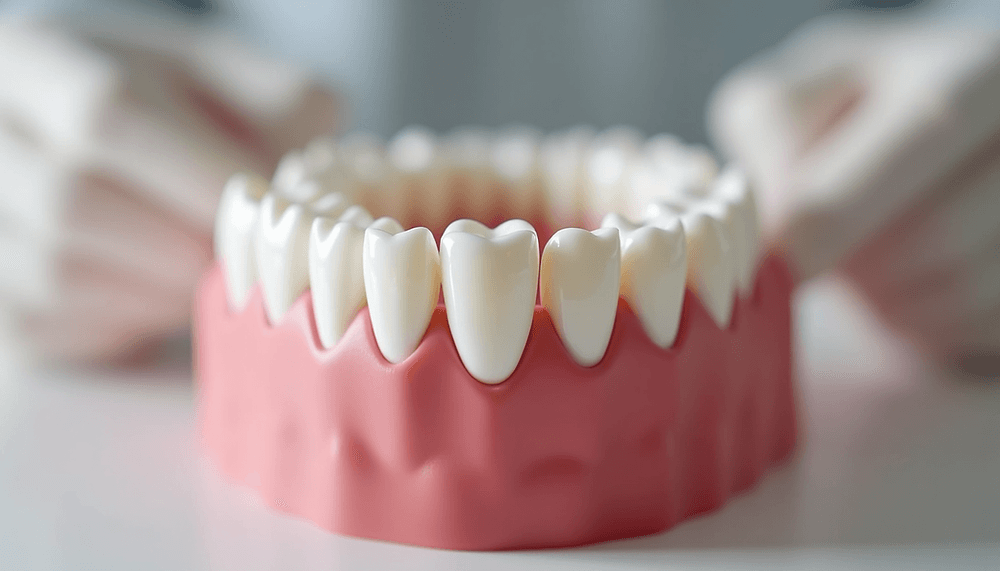
Restoring a smile that has suffered from multiple missing or damaged teeth can feel overwhelming. Full mouth reconstruction offers a path to regain not only oral health but also confidence and quality of life. This guide explains the key treatments involved, including crowns, bridges, and implant-supported bridges, helping patients understand their options and what to expect. Dental model displaying crowns and bridges, illustrating full mouth reconstruction options Understanding Full Mouth Reconstruction Full mouth reconstruction refers to rebuilding or restoring all the teeth in both the upper and lower jaws. Patients who need this treatment often face challenges such as: Multiple missing teeth Severely damaged or decayed teeth Bite problems caused by tooth loss or wear Jaw pain or difficulty chewing The goal is to restore function, appearance, and comfort. This process usually involves a combination of dental procedures tailored to the patient’s specific needs. Crowns: Protecting and Strengthening Teeth Crowns are tooth-shaped caps placed over damaged or weakened teeth. They restore the tooth’s shape, size, strength, and appearance. Crowns are commonly used when a tooth has: Large cavities that cannot be filled with a simple filling Cracks or fractures Root canal treatment that leaves the tooth fragile Benefits of Crowns in Full Mouth Reconstruction Durability: Crowns can last 10 to 15 years or longer with proper care. Appearance: Modern crowns are made from materials like porcelain that closely match natural teeth. Function: They restore chewing ability and protect the underlying tooth from further damage. Crowns are often the first step in rebuilding damaged teeth before moving on to bridges or implants. Bridges: Replacing Missing Teeth Without Surgery Bridges fill gaps left by one or more missing teeth. They consist of artificial teeth anchored to adjacent natural teeth or crowns. Bridges restore the smile and prevent remaining teeth from shifting out of place. Types of Bridges Traditional bridges: Use crowns on the teeth next to the gap to support the false tooth. Cantilever bridges: Supported by a crown on only one side, used when there is only one adjacent tooth. Maryland bridges: Use a metal or porcelain framework bonded to the back of adjacent teeth, often for front teeth. Advantages of Bridges Non-surgical: Bridges do not require implants or surgery. Quick restoration: Typically completed in a few dental visits. Improved function: Restore the ability to chew and speak clearly. Bridges are a good option when implants are not possible or when patients prefer a less invasive approach. Implant-Supported Bridges: A Strong and Lasting Solution For patients missing multiple teeth, implant-supported bridges combine the stability of dental implants with the convenience of bridges. Instead of relying on natural teeth for support, these bridges attach to implants surgically placed in the jawbone. How Implant-Supported Bridges Work Dental implants act as artificial tooth roots. The bridge is fixed onto the implants, providing a secure fit. This method avoids placing stress on natural teeth. Benefits of Implant-Supported Bridges Bone preservation: Implants stimulate the jawbone, preventing bone loss. Longevity: Implants and bridges can last decades with good care. Natural feel: Provides chewing strength similar to natural teeth. Improved oral health: Does not require altering healthy adjacent teeth. This option is ideal for patients who want a permanent, stable solution and have sufficient bone density for implants. The Full Mouth Reconstruction Process Full mouth reconstruction is a multi-step process that requires careful planning and coordination between the patient and dental team. Initial Consultation and Assessment Comprehensive oral exam X-rays and 3D imaging to evaluate bone and tooth condition Discussion of patient goals and concerns Customized treatment plan Treatment Phases Preparation: Damaged teeth may be treated with root canals or extractions. Restoration: Placement of crowns, bridges, or implants as planned. Adjustment: Fine-tuning bite and appearance for comfort and function. Follow-up care: Regular check-ups to maintain oral health and restorations. Each patient’s timeline varies depending on the complexity of their case. Caring for Your Restored Smile Maintaining full mouth reconstruction results requires good oral hygiene and regular dental visits. Brush twice daily with fluoride toothpaste. Floss carefully around crowns, bridges, and implants. Avoid hard or sticky foods that can damage restorations. Schedule professional cleanings and exams every six months or as recommended. Proper care helps prevent complications such as decay, gum disease, or restoration failure. Emotional and Social Benefits of Full Mouth Reconstruction Beyond physical health, restoring a full smile can transform a person’s confidence and social interactions. Many patients report: Increased willingness to smile and engage socially Improved self-esteem and mental well-being Better speech and eating comfort These benefits contribute to a higher quality of life and overall happiness.
Ready for Your Next Visit?
We’d Love to See You
Questions about anything you read here? Book a visit and Dr. Saado will walk you through it in plain English.
Request a Visit