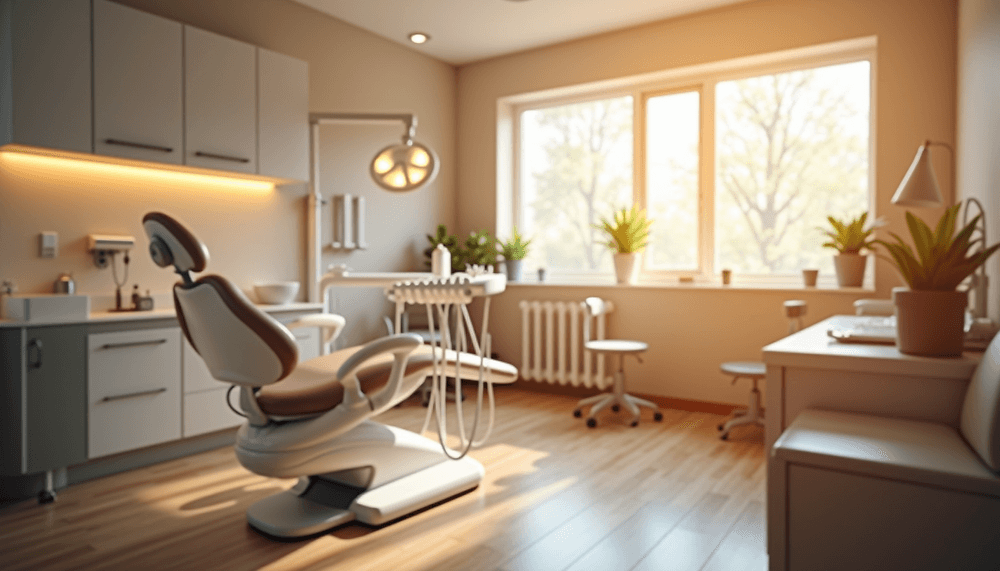
A bright, white smile can boost confidence and make a great first impression. Many people turn to teeth whitening to achieve that radiant look. While drugstore whitening kits promise quick and easy results, they often fall short in safety and effectiveness compared to professional treatments. This guide explains why professional teeth whitening works better, how it keeps your smile safe, and how to maintain your results after treatment. Professional teeth whitening setup in a dental clinic Why Over-the-Counter Whitening Kits Often Fail Over-the-counter (OTC) whitening kits, such as strips, gels, and trays, are popular because they are affordable and easy to use at home. However, these kits have several limitations: Lower Concentration of Whitening Agents OTC products usually contain a lower percentage of hydrogen peroxide or carbamide peroxide, the chemicals responsible for whitening. This means they take longer to show results and often cannot remove deep stains. Uneven Whitening Strips and generic trays may not fit perfectly, causing uneven contact with teeth. This leads to patchy whitening and sometimes leaves some areas untreated. Risk of Gum Irritation Poorly fitting trays or strips can irritate gums and soft tissues. Without professional guidance, users may apply the product incorrectly, increasing the risk of sensitivity or burns. Temporary Results The effects of OTC kits tend to fade faster because the whitening is superficial. They do not penetrate the enamel deeply enough to provide lasting brightness. Lack of Customization OTC kits do not account for individual dental conditions such as enamel thickness, existing dental work, or sensitivity levels, which can affect both safety and effectiveness. How Professional Teeth Whitening Works Professional teeth whitening is performed by a dentist or trained dental hygienist in a controlled environment. It uses stronger whitening agents and advanced techniques to deliver better results safely. Stronger Whitening Agents Dentists use higher concentrations of hydrogen peroxide, sometimes up to 40%, compared to 3-10% in OTC kits. This allows for faster and more effective stain removal. Customized Treatment The dentist examines your teeth and gums to tailor the treatment. They protect sensitive areas with barriers and adjust the procedure to minimize discomfort. Advanced Technology Some professional treatments use light or laser activation to boost the whitening process, speeding up results and improving brightness. Deeper Penetration Professional whitening penetrates the enamel and breaks down stains beneath the surface, leading to a more uniform and longer-lasting whiteness. Safety Measures The dental team monitors your reaction during treatment, preventing overexposure to whitening agents and reducing the risk of sensitivity or damage. Comparing Safety and Effectiveness | Aspect | Professional Whitening | Over-the-Counter Kits | |-----------------------|----------------------------------------|--------------------------------------| | Whitening Agent Strength | High (up to 40% peroxide) | Low (3-10% peroxide) | | Custom Fit | Yes, custom trays or in-office application | No, generic fit | | Treatment Supervision | Yes, by dental professional | No, self-administered | | Risk of Sensitivity | Lower, due to protective measures | Higher, due to improper use | | Result Longevity | Longer-lasting, deeper stain removal | Shorter, surface-level whitening | | Cost | Higher upfront cost | Lower upfront cost | Maintaining Your Teeth Whitening Results Professional whitening can brighten your smile by several shades, but maintaining that brightness requires care. Here are practical tips to keep your teeth white longer: Avoid Staining Foods and Drinks Limit coffee, tea, red wine, and dark berries, which can stain teeth. If you do consume them, rinse your mouth or brush your teeth soon after. Practice Good Oral Hygiene Brush twice daily with a whitening toothpaste and floss regularly to remove plaque and surface stains. Use Touch-Up Treatments Your dentist may provide custom trays and whitening gel for occasional touch-ups at home. These help maintain brightness without overdoing it. Quit Smoking Tobacco products cause deep stains and reduce the effectiveness of whitening treatments. Regular Dental Checkups Professional cleanings remove surface stains and keep your teeth healthy, supporting the whitening effect. Drink Plenty of Water Water helps wash away food particles and reduces acid buildup that can dull your smile. When to Choose Professional Whitening Professional whitening is the best choice if you want: Noticeable, long-lasting results Treatment tailored to your dental needs Safe whitening with minimal sensitivity Removal of deep or stubborn stains Guidance from a dental expert If you have sensitive teeth, dental restorations, or uneven discoloration, professional treatment can address these issues better than OTC kits. When Over-the-Counter Kits Might Work OTC kits can be suitable if: You have mild surface stains You want a low-cost option You prefer a gradual whitening process You have no dental sensitivity or restorations Even then, it’s wise to consult a dentist before starting any whitening to avoid potential problems.
Ready for Your Next Visit?
We’d Love to See You
Questions about anything you read here? Book a visit and Dr. Saado will walk you through it in plain English.
Request a Visit